The Hunter Valley Wine Calendar, Month by Month
Harvest, colour, bare vines and the weekends the valley fills — what each month gives you, and which one suits the day you have in mind.
In this guide
When is the best month to visit?
Autumn, if you want one answer. From March through May the vines turn gold, the heat has gone out of the afternoons, the light is at its best for photographs and the cellar doors are busy without being full. Nothing about a tasting is better in autumn than in October, but everything around it is easier.
The honest longer answer is that the valley pours all year and each season buys you something different: harvest in late summer, colour in autumn, the winemaker’s attention in winter, and green vines and long evenings in spring. The month to avoid is whichever one brings the weather you personally dislike, because the wine does not change.
The year at a glance
Seasons are southern hemisphere. Crowd levels describe the cellar doors, not the roads, and the busy weekends are concentrated far more than the busy months are.
| Month | Season | Crowds | In the vines | Worth knowing |
|---|---|---|---|---|
| January | High summer | Busy | Harvest begins late in the month | Hot afternoons; the Christmas lights run to late January |
| February | Late summer | Moderate | Harvest in full swing | The crush is happening while you taste |
| March | Early autumn | Moderate | Harvest finishing | Warm days, cooler afternoons |
| April | Autumn | Moderate | Leaves turning gold | The best light of the year |
| May | Late autumn | Busy on event weekends | Colour, then bare vines | Wine and Food Month, and the Lovedale Long Lunch |
| June | Early winter | Quiet | Pruning | Fires lit, hosts have time to talk |
| July | Winter | Quietest | Bare vines | Best month for an unhurried tasting |
| August | Late winter | Quiet | Pruning finishes | Cool, clear, cheap to stay |
| September | Spring | Building | Budburst | Green shoots, mild days |
| October | Spring | Busy weekends | Canopy filling out | The lights start at the end of the month |
| November | Late spring | Busy | Flowering | Concert season begins |
| December | Early summer | Busiest | Fruit set | Book everything well ahead |
Dates for the named annual programmes are on the events page, with each organiser’s own link.
Summer: heat, harvest and early starts
December to February is hot, humid and green, and the valley is at its most crowded around Christmas and New Year. Afternoons above thirty degrees are normal, which is an argument for a tour that starts early and for the estates with air-conditioned tasting rooms rather than a verandah.
It is also the only time of year the region is actively making wine. From late January the crush is running while you taste, and the smell of fermenting fruit hangs over the whole valley.
When is harvest, and can you see it?
Late January into March, earlier than most Australian regions because the valley is warm and subtropical. Nothing is staged for visitors, and that is exactly what makes it worth seeing: pickers work at dawn, trucks of fruit come through the estate gates during the day, and the winery behind the cellar door is running.
Ask at the counter. Plenty of small estates will walk you round the back when they are not mid-pressing, and a guide who works the valley daily will know who is crushing this week. It is the one time of year when the wine in your glass and the work outside are the same story.
Autumn: the colour and the quiet
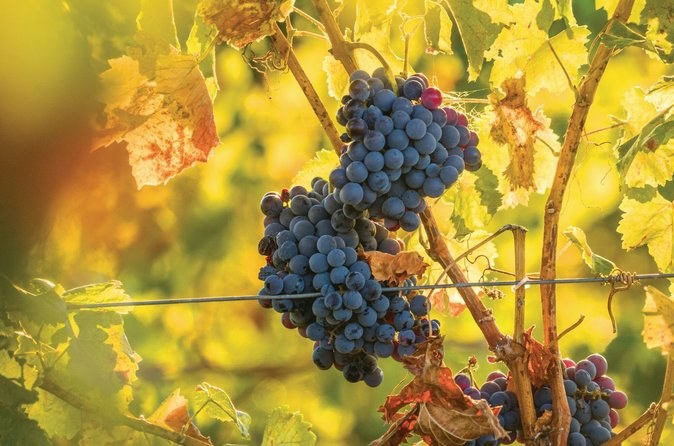
March to May is the season people photograph. The canopy turns gold and rust, the mornings are cool, the afternoons are mild, and the crowds thin out between the summer holidays and the May event weekends.
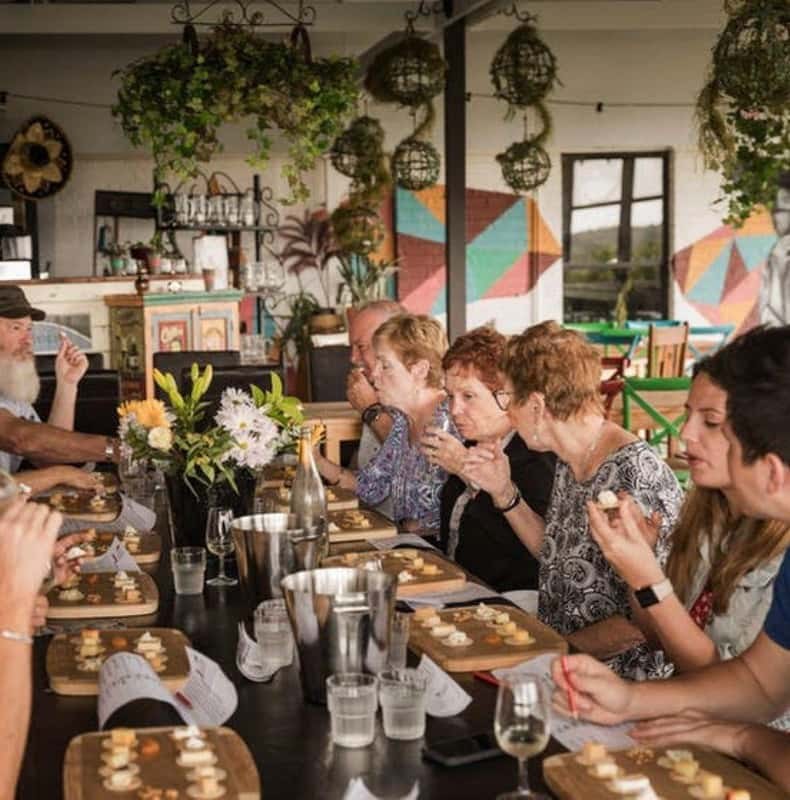
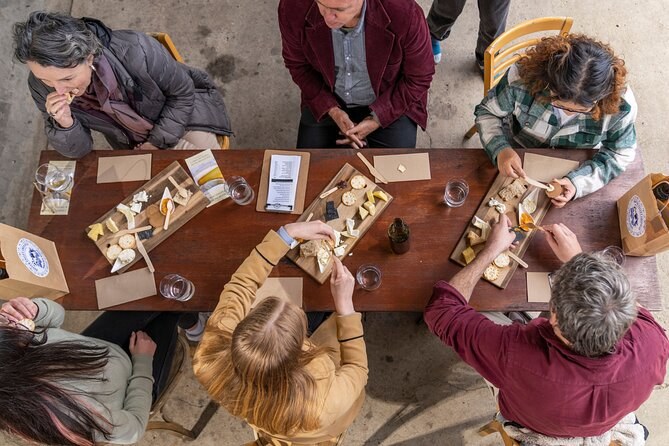
It is also comfortable weather for a full day outdoors, which matters more than it sounds: a seven-hour itinerary in April is a pleasure, and the same itinerary in January is a series of dashes between air-conditioned rooms. Autumn is the season a wine and cheese matching on a verandah stops being a nice idea and becomes the best hour of the day.
Scenic Hunter Valley Tour with Wine and Cheese Tastings
A scenic day from Sydney with three boutique tastings, local produce and a cafe lunch. From $179 per person, 4.7 from 23 reviews.
Free cancellation up to 24 hours before departure.
Winter: bare vines and open fires
June to August is the quietest the cellar doors get, and for some visitors it is the best time to come. With the tasting bar half empty the host has time to open something unusual, explain the vineyard and pour a comparison rather than a flight. Winemakers are in the vineyard pruning rather than in the winery pressing, and several are behind their own counters.
Days are mild by northern standards and the nights are cold enough for the restaurants to light fires. A few estates close one day midweek. On a guided day that is the operator’s problem rather than yours; driving yourself, check before you set out.
Spring: budburst and the long weekends
September to November is warm, green and increasingly busy. Budburst turns the bare rows green within a fortnight, the days lengthen, and by November the concert season has started and Saturdays book out across the valley.
Spring is the season where booking ahead starts to matter. A midweek day in September is as easy as July; a Saturday in November is not, and the small-group departures go first.
Which weekends fill the valley?
Four blocks, and they are predictable. The Christmas and New Year fortnight; the May event weekends around Wine and Food Month and the Lovedale Long Lunch; any weekend with a concert at one of the Pokolbin estates; and the run from late October to January while the lights are on at Hunter Valley Gardens.
On those weekends the accommodation fills first, the restaurants second and the tours last, which means a late booking may still find a seat on a tour with nowhere to sleep. If your dates are fixed and fall in one of those blocks, book the bed before the tasting.
Is a weekday better than a weekend?
Almost always, and by more than the season changes anything. A Tuesday in November is quieter at the tasting bar than a Saturday in July, because the valley’s crowds are concentrated into weekends rather than spread through months. Cellar doors that seat you midweek will have you standing on a Saturday afternoon.
The other midweek advantage is who is behind the counter. On a quiet Wednesday the person pouring is often the one who made the wine or picked the fruit, and they have time to open something that is not on the tasting list. On a busy Saturday the same estate runs a rotation, and the flight is the flight.
Restaurants follow the same pattern: the valley’s better tables book out for weekend lunch weeks ahead and take walk-ins midweek. If your dates are flexible at all, moving a wine day from Saturday to Wednesday buys more than moving it from summer to autumn does.
What the season changes about the tours
Less than you would expect. The same operators run the same routes year round, and the tasting fees are inside the fare in January and in July alike. What changes is the pace: summer itineraries lean on the shaded and air-conditioned stops, and winter days sit longer at each estate because nobody else is waiting for the bar.
Availability changes more than the product does. In peak weeks the small-group departures with a cap of ten sell out well ahead, and what remains is the larger coach. In winter you can often book two days out and have the vehicle half full.
The Christmas lights, and what they do to December
From late October to late January the gardens at Pokolbin are lit nightly, and that single programme reshapes the valley’s calendar. Families arrive who would not otherwise come for wine, accommodation prices rise, and the roads around the gardens are slow from late afternoon.
For a wine day it is mostly good news: the cellar doors themselves are no busier at 11 a.m. than in any other summer week, and the crowd arrives after they close. Just do not plan a long lunch and an evening at the lights on a day when you also want a fourth tasting.
Does the weather ruin a tasting day?
Rarely, because almost everything happens indoors. Tastings are poured in a cellar door, the cheese matching happens at a table and the lunch stop has a roof. Rain costs you the photographs and the walk between the rows, not the wine.
The valley sits at about 32 degrees south and is humid, with rain possible at any time of year and most likely in summer. What genuinely changes a day is heat rather than rain: above the mid thirties an outdoor tasting is hard work, and the early-start itineraries earn their keep.
When to book ahead, and by how much
- December, and the Christmas and New Year fortnight — weeks ahead, accommodation first.
- May event weekends — weeks ahead; the progressive lunch fills the valley’s beds.
- Any concert weekend, and Saturdays from October — a fortnight or more for a small-group departure.
- Midweek, June to August — a day or two is usually enough.
Every departure listed here is free to cancel up to 24 hours ahead, so booking early for a busy weekend costs you nothing and holds your seat while you settle the rest of the trip.
Questions people ask before booking
What is the best time of year to visit the Hunter Valley?
Autumn, from March to May, for gold vines, mild afternoons and the best light of the year. Winter is quieter and the hosts have more time for you; spring and early summer are green and busy. The wine is poured the same way all year.
When is harvest in the Hunter Valley?
Late January into March, earlier than most Australian regions because the valley is warm and subtropical. Nothing is staged for visitors, so what you see is the real crush happening behind the cellar door. Ask at the counter and many small estates will show you.
Is winter a good time to visit the Hunter Valley?
It is the quietest season at the cellar doors, which many visitors prefer. The bar is half empty, the host has time to open something unusual, and the restaurants light fires. A few estates close one day midweek, so check if you are driving yourself.
When is the Hunter Valley busiest?
The Christmas and New Year fortnight, the May event weekends, any weekend with a concert at a Pokolbin estate, and the run from late October to January while the Christmas lights are on. Accommodation fills before the tours do.
How far ahead should I book a Hunter Valley wine tour?
Weeks ahead for December, the May event weekends and concert Saturdays, especially for a small-group departure with a cap of ten. Midweek in winter you can usually book a day or two out. Free cancellation up to 24 hours ahead makes booking early risk-free.
Does rain spoil a Hunter Valley wine tour?
Not really, because the tastings, the cheese matching and lunch all happen indoors. Rain costs you the photographs and the walk between the rows. Heat is the bigger factor in summer, which is why the early-start itineraries are worth the alarm.
Tours that fit this trip
Chosen for the day described in this guide, not for what sells.